
The Science Behind Aircraft Cleaning Cloths: Why Aviation Needs Specialized Microfiber
Aircraft cleaning is one of the most demanding hygiene and maintenance environments in the world.From cabin turnaround to exterior detailing, every wipe must achieve maximum cleanliness with zero risk to the aircraft’s sensitive surfaces and safety systems.
This is why aircraft cleaning cloths—especially aviation-grade microfiber—are becoming the global standard across airlines, MROs, aviation cleaning contractors, and ground-handling teams.
Why Aircraft Surfaces Require Specialized Cleaning Cloths
Unlike normal vehicles or buildings, aircraft surfaces are:
High-value and sensitive
Precision-coated, anti-glare, anti-static or UV protected
Regulated for safety by aviation authorities
Exposed to extreme conditions (wind, pressure, heat, dust, jet fuel residues)
Generic cotton or low-grade cloths are simply not suitable in aviation because they can:
Scratch acrylic windows
Leave lint inside cockpit instruments
Spread oils or static charge
Damage composite surfaces
Cause streaking on navigation lights and sensors
Airlines cannot take these risks.
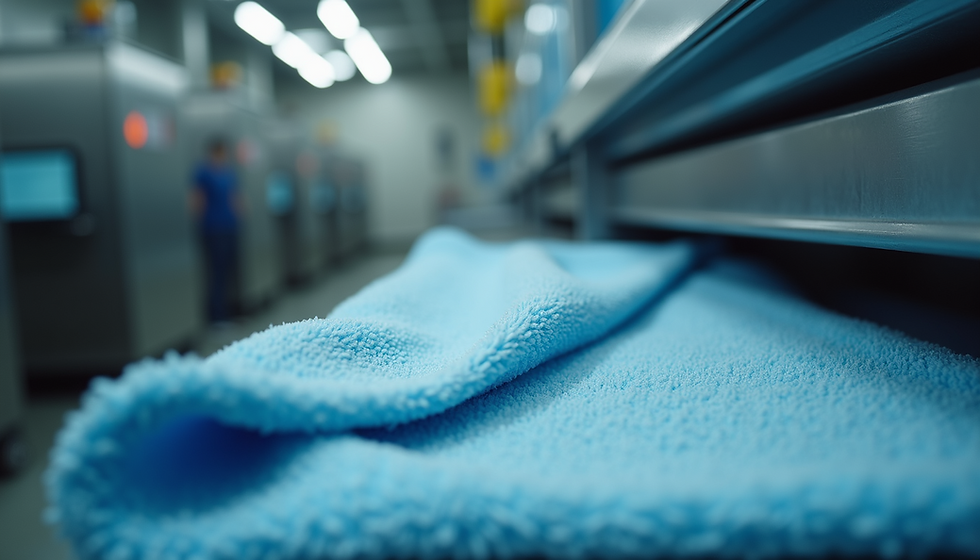
Aviation-grade microfiber solves these challenges with precision.
Benefits of Aviation-Grade Microfiber Cloths
1. Scratch-Free Cleaning for Sensitive Surfaces
Aircraft windows, cockpit glass, avionics displays, and composite panels require scratchless cloths.Aviation microfiber is engineered with:
Ultra-fine split fibers
Soft, non-abrasive texture
Zero lint release
Perfect for:
Cockpit avionics screens
Passenger window acrylic
IFE screens
Instrument panels
2. Superior Dirt, Dust & Oil Removal
Aircraft accumulate contaminants that normal cloths struggle with:
Hydraulic oils
Fingerprints
Micro-dust
Food residues
Cabin mess
Jet blast dirt on exterior panels
Microfiber’s split-fiber technology mechanically lifts and traps particles instead of pushing them around—making cleaning faster and far more efficient.
3. Anti-Lint and Anti-Static Properties
Lint and static are major hazards around aircraft electronics:
Cockpit instruments
Overhead panels
Sensors
Avionics equipment
Aviation microfiber is produced to be low-lint and anti-static, reducing the risk of contamination or interference with delicate components.
4. Highly Absorbent for Fast Turnaround Times
Airlines operate under extremely tight turnaround schedules.A cloth that absorbs more liquid and dries quickly helps teams:
Clean faster
Reduce chemical usage
Minimise drying time
Achieve streak-free results on smooth surfaces
Microfiber absorbs up to 7x its weight in liquid, making it ideal for high-efficiency turnaround cleaning.
5. Durable & Washable for MRO and Fleet Operations
Aviation microfiber cloths last 200–300 wash cycles, making them cost-effective for:
MRO facilities
Airport cleaning contractors
Ground handling teams
Cabin cleaning units
This long lifespan drastically reduces textile waste and lowers operating costs.
Where Aircraft Cleaning Cloths Are Used
1. Cockpit
Avionics displays
Knobs, buttons, control panels
Glass and anti-glare instrumentation
2. Cabin
Tray tables
IFE screens
Seat shells and armrests
Galleys and lavatories
Overhead bins
3. Exterior (Depending on Grade)
Windows
Fuselage wipe-down
Nose cone and radome cleaning
Navigation light covers
4. MRO Operations
Maintenance checks
Sensor cleaning
Inspection routines
Each of these areas has different textile requirements—microfiber is one of the few materials that adapts to all.
Why Airlines Are Shifting From Cotton to Microfiber
Feature | Cotton | Aviation Microfiber |
Lint | High | Very low |
Abrasion | Can scratch | Zero scratch |
Absorption | Medium | High |
Bacteria removal | Low | High |
Turnaround efficiency | Slow | Fast |
Durability | Weak | Long-lasting |
Suitable for avionics | No | Yes |
Microfiber’s ability to clean mechanically—with reduced need for chemicals—makes it ideal for aviation’s high-safety standards.
⭐ PLEQOS Aviation-Grade Cleaning Cloths
For aircraft cleaning professionals, PLEQOS offers:
Ultra-soft aviation microfiber (lint-free, streak-free)
Special cockpit-grade cloths safe for avionics
High-GSM soak cloths for galleys & lavatories
Window-specific polishing towels
Heavy-duty exterior wipe-down cloths
Key attributes:
200–320 GSM microfiber
Heat-resistant, chemical-resistant fibres
Safe for all aircraft materials (aluminium, composites, acrylic, polycarbonate)
Designed for MRO and ground handling service environments
Machine washable for 250+ cycles
Conclusion: A Small Cloth That Protects a Multimillion-Dollar Asset
Aircraft cleaning cloths are not simple consumables—they are precision tools that protect:
Passenger experience
Aviation safety
Operational efficiency
Expensive avionics and cabin equipment
With the right microfiber textile system, airlines and contractors can achieve:
Faster turnarounds
Higher hygiene standards
Lower long-term costs
Better compliance with aviation regulations
For a sector where every minute and every detail matters, specialized aviation microfiber is not optional, it is essential.
Comments